
Five signs your dog's teeth need a vet
Bad breath is rarely "just bad breath." Here's what to watch for, and when a dental check is worth booking.

Small environmental tweaks that make a nervous cat feel safe.
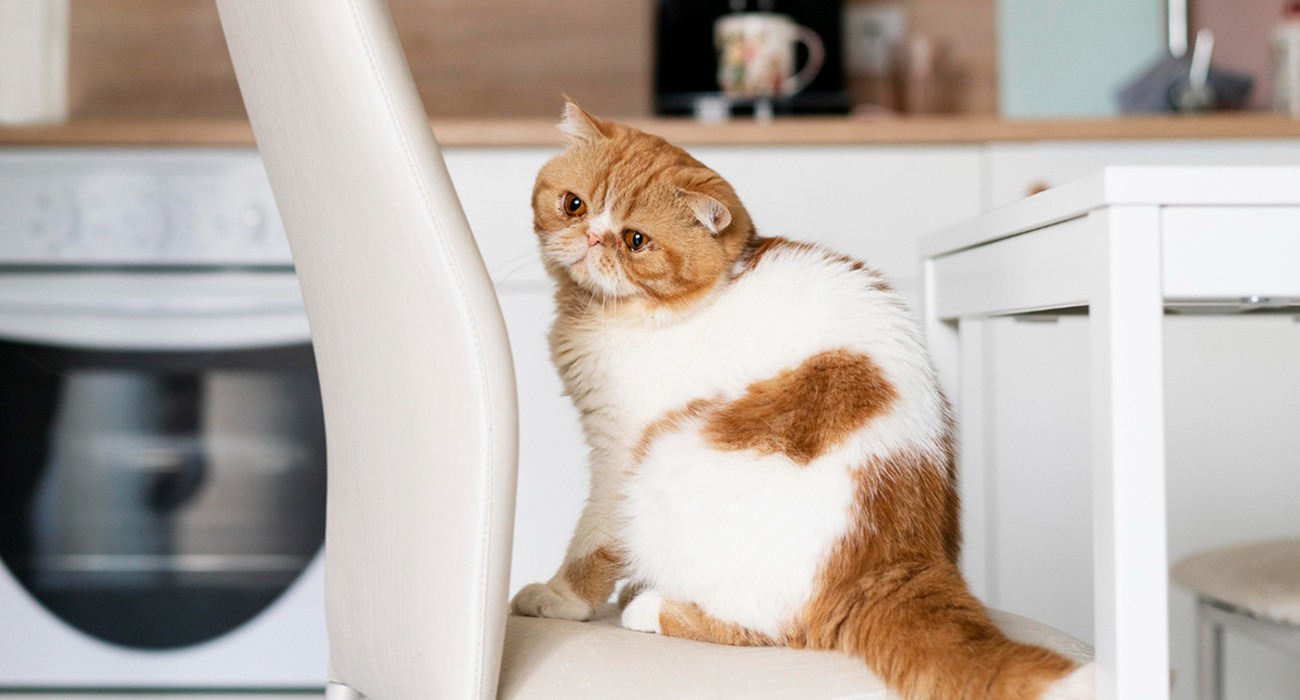
Cats thrive on routine, familiarity, and quiet spaces. Even small changes in their environment can sometimes make them feel stressed or anxious.
Moving furniture, introducing a new pet, loud noises, or changes in daily routines can all affect a cat's sense of security.
Fortunately, a few simple adjustments can help your cat settle in and feel safe again.
Cats often express stress through subtle behavioral changes.
Watch for these common signs:
The earlier you notice these changes, the easier it is to help your cat recover.
Cats do not misbehave out of spite. Most anxious behaviors are their way of communicating that something feels unsafe.
Every cat should have a quiet area they can retreat to whenever they need a break.
Their safe space should include:
Avoid forcing your cat to leave this area.
Allow them to explore at their own pace.
Cats love predictability.
Try to keep daily activities consistent, including:
Sudden changes can increase anxiety.
Small routines help your cat feel secure.
Mental stimulation can reduce stress and build confidence.
Simple enrichment ideas include:
Even fifteen minutes of play each day can improve your cat's mood.
Whether it is a new family member, another pet, or a different room setup, gradual introductions work best.
Follow these steps:
Patience is key.
Some well-intentioned actions can increase stress.
Avoid:
Give them time to adjust naturally.
If anxiety continues for several weeks, professional guidance may help.
Contact your veterinarian if your cat experiences:
A confident cat is not created overnight. Small, consistent moments of comfort build trust over time.
Creating a calm environment today can help your cat feel safer, healthier, and happier for years to come.